You’ve been thinking about turning that basement, spare room, or bonus space into a real game room. A pool table where the pool table should be. Comfortable seating. Good lighting. Somewhere the whole family (or your friends on Saturday night) actually wants to spend time.
The problem is that most home game rooms end up half-planned. Someone buys a pool table and shoves it into a room that’s too small for a proper cue swing. Someone else picks a foosball table without accounting for the noise carrying upstairs to the bedroom. Someone else invests in beautiful furniture and forgets that game rooms need to survive spilled drinks and rowdy game nights.
The fix is planning the space before you buy anything. This guide walks through the eight steps we use with customers at our showrooms, plus the lifestyle considerations that determine whether your game room becomes the best room in the house or the room nobody uses.
Why a Home Game Room Is Worth It
A well-planned game room does more than give you somewhere to shoot pool. It becomes the room where your household actually spends time together, hosts game nights, watches the big game, and disconnects from screens.
The three consistent benefits real owners report:
- Real family time. A pool table pulls kids away from phones for reasons a family dinner sometimes can’t. Foosball or ping pong turns a Sunday afternoon into two hours of laughter.
- A better entertaining space. Once you have a game room, you host more. Birthdays, holidays, tailgates, poker nights. The room does the work.
- Property value. A finished basement or bonus room with a purpose-built game space adds real value at resale.
You get the benefit whether you spend $3,000 on the setup or $30,000. The trick is planning it around your actual life, not somebody else’s Pinterest board.
Step 1: Start With How You’ll Actually Use It
The biggest mistake we see is people planning a game room based on games they think they should want, not the ones they’ll actually play. Start by answering three questions honestly.
Who will use it? Kids, teenagers, adults, or all three? A family with young kids has different needs than a couple of empty nesters who host card nights.
What games do you actually enjoy? Pool? Poker? Video games? Foosball? Darts? Board games? Air hockey? Some combination? If you last played darts in college, you probably don’t need a dartboard.
How often will you use it? Weekly game nights need different design than once-a-month gatherings. Frequency drives budget and layout decisions.
Write the answers down before you go shopping. That list becomes your filter for every decision that follows.
Step 2: Pick the Right Location
The location shapes almost every other decision. Four common options, ranked from easiest to hardest.
Finished basement. The most popular game room location for good reason. Cool in summer, quiet, separated from the main living area. Ceiling height and floor slope are the two things to double-check before committing.
Bonus room or spare bedroom. Great option for smaller game rooms (dartboards, poker table, small billiards table, ping pong). Sound isolation becomes important if it’s next to bedrooms.
Garage conversion. Works if you’re willing to invest in insulation, HVAC, and flooring upgrades. Great option for households without basements.
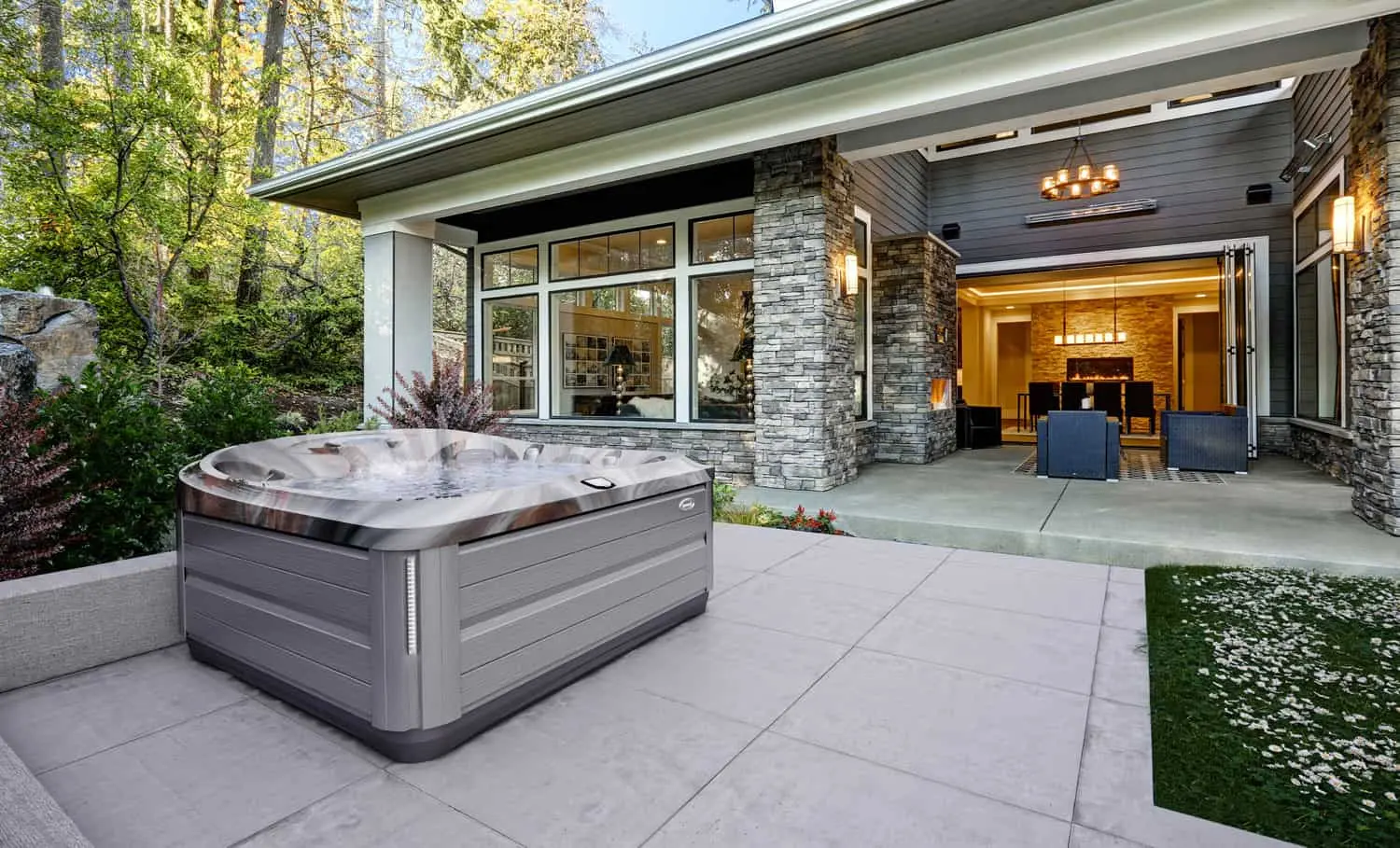
Outdoor covered space. A screened porch, sunroom, or covered patio can host a seasonal game room. Ideal if you’re pairing it with a hot tub or pool. Requires weatherproof or seasonal game equipment.
Two location factors matter more than most people realize: ceiling height (pool table cue swings need 8 feet minimum) and floor stability (a slate pool table weighs 700+ pounds and needs a level, solid floor).
Step 3: Design Around Your Lifestyle
This is where most game room plans go sideways. People pick equipment based on what looks cool without checking whether it fits their actual life. The five lifestyle factors below are the ones that determine whether the room gets used or gets ignored.
1. Match Games to Your Stage in Life
A game room for a family with three kids under 10 looks nothing like one designed for a retired couple who host bridge nights. Pool tables work for teens through retirees. Air hockey and foosball skew younger. Card tables and shuffleboard skew older. Video game setups work at any age but demand more updates.
Design for the household you have, not the one you had five years ago or hope to have in ten.
2. Prioritize the Games You’ll Play Weekly
If you already own a foosball table that gathers dust, don’t buy a bigger one. If your family plays cards every Sunday, invest in a real poker or card table. Weekly-play games should get the best real estate, the best lighting, and the biggest share of the budget.
3. Think About Who’s Coming Over
A game room that hosts eight adults for poker night has different requirements than one that hosts ten teenagers on a Saturday. Seating capacity, drink zones, snack storage, and traffic flow all follow from the guest list.
4. Budget for What Matters Most
A common trap is spreading the budget thin across too many things. A $2,000 pool table plus a $200 dartboard plus a $500 old sofa plus $300 in decor adds up to a mediocre room. A $4,000 pool table plus proper lighting plus real bar stools plus a $200 dartboard adds up to a room you love.
Pick the anchor pieces first. Spend on those. Fill in the rest as you can.
5. Consider an Outdoor Game Room
If you have a covered patio, screened porch, or three-season room, an outdoor game room can be the best-value option. Outdoor ping pong tables, weatherproof shuffleboard, cornhole setups, and outdoor bar seating all work in this setup. Pairs beautifully with a hot tub, pool, or fire feature.
Outdoor game rooms extend backyard use into cooler months and give you a completely different vibe than an indoor space.
Step 4: Plan the Layout Around Your Biggest Games
The single most important layout rule: design the room around your biggest game, then build out from there.
For a pool table, that means putting it in a central position with adequate clearance for cue strokes on every side. A regulation 8-foot pool table needs a room at least 13 feet 6 inches by 17 feet. A 7-foot table (the most common home size) needs about 12 feet 6 inches by 16 feet. Anything less and you’ll be jamming cues into walls on nearly every shot.
For a home theater or video gaming setup, the anchor is the screen. Seating positioned 8 to 12 feet away for a 65-inch to 75-inch TV, roughly 12 to 15 feet away for a projector setup.
For a poker or card table, the anchor is a round or octagonal table sized for the number of players you host most often.
Every other piece of furniture (sofa, bar, storage, decor) should be placed around the anchor, not competing with it.
Step 5: Get the Lighting and Sound Right
Two design elements make or break a game room. Almost everyone gets both wrong on the first try.
Lighting
Overhead billiard lights for pool tables. Dimmable ambient lighting for the rest of the room. LED strip lighting behind shelves and under bars for atmosphere. Avoid harsh single-source ceiling lights that create glare on screens or over the game surface.
Rule of thumb: use at least three lighting sources at different heights (ceiling, mid-level, and low). It transforms how the space feels.
Sound
Game rooms are noisy. Cheering, clanking pool balls, thumping bass. Sound isolation keeps peace with the rest of the household. Options include:
- Acoustic panels on walls
- A rug or carpet on the floor
- Solid-core doors with weatherstripping
- Blown-in insulation in the ceiling if the room is above a bedroom
You don’t need a full recording studio treatment. A rug, some panels, and a solid door usually handle it.
Step 6: Choose Furniture, Seating, and Storage
Game rooms punish cheap furniture. Between the drinks, the wear, and the entertaining traffic, the furniture that goes in a game room needs to hold up. Prioritize durability and easy cleaning over showroom style.
Seating. Sectional sofas work for video game and TV setups. Bar stools work for high-top tables and bars. Card table chairs need enough padding to stay comfortable through a three-hour game.
Storage. Cards, chips, dice, cues, chalk, extra controllers, and dozens of other small items need homes. Built-in cabinetry beats freestanding furniture in most game rooms. If cabinetry isn’t in the budget, a wall of open shelving with baskets works.
Bars and beverage areas. Even a simple bar cart or built-in mini fridge changes how a game room functions. Guests refill their own drinks. You spend less time playing bartender.
Step 7: Add Theme and Personality
The best game rooms feel like they belong to somebody, not like they came out of a catalog. A theme gives the room personality and makes decor decisions easier.
Common themes that work well:
- Sports. Bills basement, Panthers den, Sabres corner, alma mater colors. Regional favorites in WNY and Charlotte both work here.
- Classic pub. Dark wood, leather, brass, warm lighting. Ages well.
- Retro arcade. Neon, pinball machines, arcade cabinets, colorful decor. Great for families with kids.
- Modern lounge. Clean lines, monochrome palette, minimalist decor. Works in newer homes.
- Movie or franchise theme. Star Wars, Marvel, favorite band, favorite movie era. Best in dedicated rooms rather than multi-use spaces.
Pick the theme that reflects the people using the room, not the one that’s trending on Instagram.
Step 8: Bring in the Pros for Installation
Some parts of a game room build are DIY-friendly. Painting, decor, small furniture, small game accessories.
Some parts absolutely require professionals:
- Pool table installation. Slate tables need to be leveled with precision. A quarter-inch off means the balls roll toward one pocket. Regulation setup is a job for a certified installer.
- Shuffleboard tables. Same rules as pool tables. Leveling is critical.
- Electrical. Anything beyond a standard outlet (dedicated circuits for gaming rigs, hardwired billiard lights, dimmer switches) should be handled by a licensed electrician.
- Arcade machine installation. For pinball and full arcade cabinets, professional setup ensures leveling, safe wiring, and correct assembly.
Cutting corners on install often costs more in the long run. A poorly leveled pool table needs to be redone. Bad electrical is a safety issue.
Common Game Room Mistakes to Avoid
We’ve seen every version of a game room gone wrong. Here are the five most common:
- Buying a pool table that doesn’t fit the room. Measure clearance before you buy.
- Skimping on lighting. Bright single-source ceiling lights ruin the vibe and cause screen glare.
- Forgetting about sound. Rooms above bedrooms need serious sound treatment.
- Under-investing in seating. Nobody wants to sit on a folding chair for three hours.
- Overloading with too many games. Two or three anchor games used often beats seven games that gather dust.
Plan around the games you’ll actually use. Skip the rest.
Frequently Asked Questions
How much does a home game room cost?
The range is wide. Basic setups (dartboard, small card table, existing furniture) can be done for under $1,500. Mid-range setups with a real pool table, decent seating, and proper lighting run $5,000 to $12,000. Premium builds with custom cabinetry, high-end tables, and full basement finish easily reach $25,000 to $50,000+.
What’s the minimum room size for a pool table?
For a 7-foot pool table (most common home size), plan for at least 12 feet 6 inches by 16 feet. An 8-foot table needs at least 13 feet 6 inches by 17 feet. Regulation 9-foot tables need 14 feet by 18 feet. Ceiling height should be at least 8 feet to allow for full cue swings.
Should I finish the basement first, or plan the game room first?
Plan the game room first, then finish the basement around it. Otherwise you’ll end up with support columns, HVAC returns, or utility rooms in awkward positions relative to your pool table or seating area.
What’s the best flooring for a game room?
For pool tables, low-pile carpet or luxury vinyl plank work best. For video game and lounge zones, area rugs over harder flooring add warmth without sacrificing durability. Avoid deep pile carpet under any billiards or shuffleboard equipment.
How do I add a game room without a basement?
Look at spare bedrooms, bonus rooms above the garage, or converted attics. Outdoor covered spaces (screened porches, sunrooms) also work for seasonal or lightweight game rooms. Garages can be converted with insulation and HVAC upgrades.
Can I have a game room and a media room in the same space?
Absolutely. Many of our customers combine the two. Position the TV or projector screen along one wall, the pool table or main game in the center or opposite side, and layered seating that works for both purposes.
What game tables hold value best?
Solid slate pool tables from established brands (Olhausen, Brunswick, and similar) hold value for decades and are the closest thing to a lifetime investment in a game room. Air hockey, foosball, and lower-end tables depreciate faster.
Do I need special insurance for a home game room?
Most homeowner’s policies cover standard game rooms without adjustment. High-value tables (over $5,000), collectible arcade machines, and specialty equipment may warrant additional coverage. Check with your insurance agent.
The Bottom Line
A well-planned game room is one of the highest-satisfaction upgrades you can add to a home. It’s also one of the most planning-dependent. Rooms that get used are rooms that were designed around real habits, real space, and real lifestyle. Rooms that gather dust are rooms someone tried to force into a space or a household that never really wanted them.
Start with how you’ll actually use it. Pick the location. Design around your lifestyle. Anchor the layout to your biggest game. Get lighting and sound right. Furnish for durability. Add personality with a theme. Bring in pros for the technical installs.
Do that and you’ll build a room the whole household actually uses.
See it in person. Visit any Gary Pools & Leisure showroom to see Olhausen and Brunswick pool tables, custom billiards accessories, and full game room setups on display. Our team has helped hundreds of families plan game rooms across Amherst, Cheektowaga, Clarence, and Charlotte. We’ll walk you through what fits your space and budget with zero pressure.
Locations: Amherst, Cheektowaga, Clarence (NY) and Matthews (Charlotte NC).